
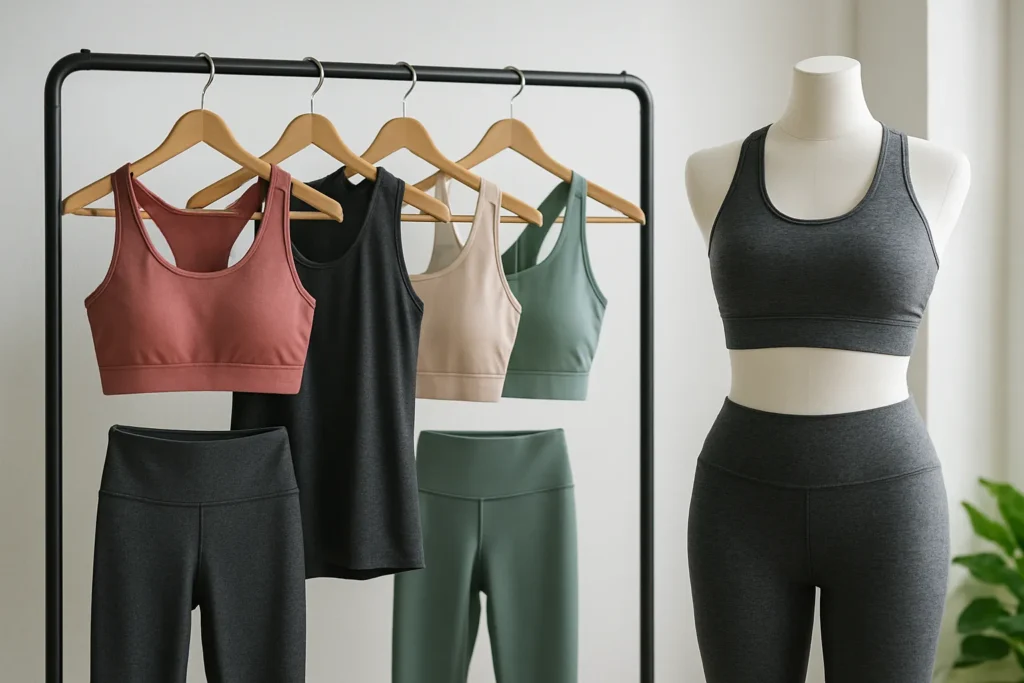
Understanding Women’s Activewear Demand in Today’s Market
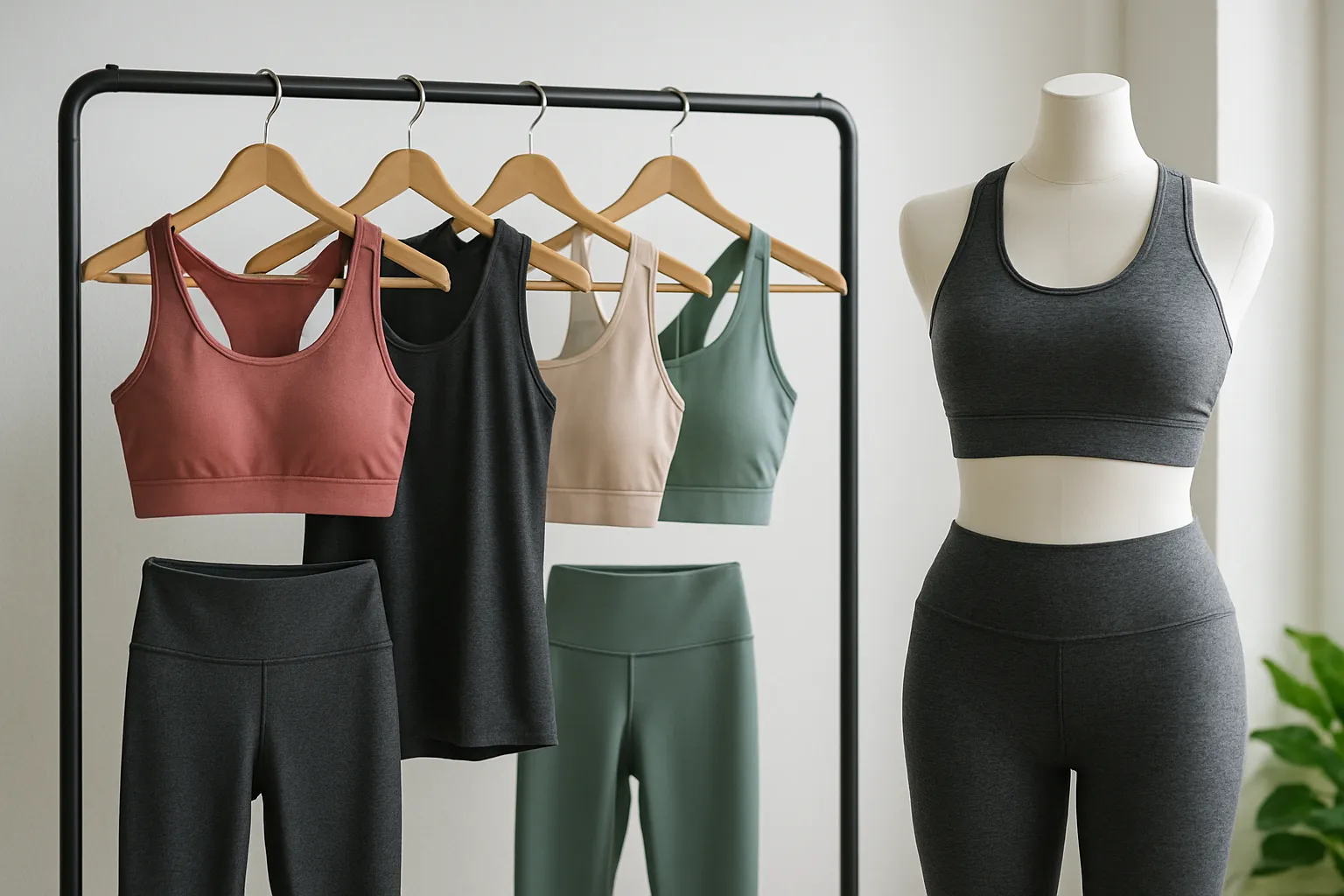
The women’s activewear market has undergone a remarkable transformation over the last decade. What was once a niche segment has blossomed into a dominant force within the fitness clothing industry. As women increasingly prioritize health and wellness, the appetite for stylish, functional, and comfortable activewear shows no signs of slowing down. This shift highlights the significance of fitness clothing, not just for athletic endeavors, but also as everyday apparel that marries functionality with fashion.
Current Market Trends
Growth Statistics
Recent reports suggest that the global women’s activewear market is set to expand at a compound annual growth rate (CAGR) of over 6% in the coming five years. This growth is fueled by a surge in fitness participation, heightened health consciousness, and the athleisure trend that seamlessly blends athletic wear with casual fashion.
Consumer Preferences
Today’s consumers seek more than just performance; they are also drawn to aesthetics and sustainability. Women are increasingly opting for brands that offer a diverse range of styles, colors, and sizes that resonate with their individuality. Additionally, eco-friendly materials and ethical production practices are gaining traction, with many consumers willing to invest in sustainable options. In my experience, this shift towards responsible consumption is reshaping the marketplace in profound ways.
Key Specifications of Women’s Activewear
Fabric Technologies
The fabric technologies employed in women’s activewear are pivotal to both performance and comfort. Innovations like moisture-wicking, breathability, and four-way stretch are critical features that enhance user experience. Brands are increasingly incorporating advanced materials such as recycled polyester and bamboo fibers, which not only ensure comfort but also appeal to environmentally conscious consumers. For more insights on fabric technologies, you can refer to this industry reference.
Fit and Sizing Considerations
Fit and sizing are crucial factors influencing women’s purchasing decisions in activewear. Brands must offer inclusive sizing options to cater to a diverse customer base. Customizable fits, including adjustable waistbands and varied leg lengths, are gaining popularity, ensuring women can find the perfect fit for their body type and activity level.
Use Cases for Women’s Activewear
Everyday Wear
Women’s activewear has transcended gym walls, becoming a staple in everyday wardrobes. It allows for a seamless transition from workouts to casual outings without the need for outfit changes. Versatile pieces like leggings, sports bras, and tank tops are crafted for both performance and style, making them suitable for various settings.
Specialized Fitness Activities
Beyond everyday wear, women’s activewear is designed for specialized fitness activities such as yoga, running, and high-intensity training. Each activity demands specific features, such as enhanced support for running or flexibility for yoga. Brands are innovating to create products that cater to these unique needs, ensuring that women can perform at their best.
Comparing Women’s Activewear Brands
Brand A vs. Brand B
When evaluating women’s activewear brands, it’s essential to consider various factors such as product range, quality, and brand reputation. For example, Brand A may emphasize high-performance gear with advanced technology, while Brand B focuses on fashionable athleisure. Retailers should assess which brand aligns better with their target audience’s preferences.
Price Point Comparisons
Price points can vary significantly across brands. Premium brands often justify higher prices with superior materials and innovative designs, while budget-friendly options may compromise on some features for affordability. Retailers must strike a balance between offering quality products and maintaining competitive pricing to attract a broad customer base.
Sourcing Women’s Activewear
Identifying Reliable Suppliers
For retailers, sourcing women’s activewear necessitates identifying dependable suppliers who can consistently deliver quality products. Building relationships with manufacturers that adhere to ethical practices and quality standards is critical. Attending trade shows and industry events can provide valuable networking opportunities to discover potential suppliers. For more information on sourcing strategies, check out our services page.
Quality Assurance Practices
Implementing robust quality assurance practices is vital to maintaining product integrity. Retailers should conduct regular inspections and audits of their suppliers to ensure compliance with quality standards. This approach not only minimizes returns but also enhances customer satisfaction and brand loyalty.
Implementation Strategies for Retailers
Inventory Management
Effective inventory management is crucial for retailers to meet the growing demand for women’s activewear. Utilizing data analytics to forecast trends and manage stock levels can help prevent overstocking or stockouts. Retailers should also consider diversifying their product lines to cater to various customer segments.
Marketing Approaches
Marketing strategies should emphasize the unique selling propositions of women’s activewear. Engaging content that showcases the versatility and functionality of products can resonate with consumers. Additionally, leveraging social media platforms to connect with target audiences can enhance brand visibility and drive sales.
Frequently Asked Questions
Common Buyer Concerns
Retailers often face common buyer concerns regarding sizing, material quality, and return policies. Providing clear product descriptions, size guides, and flexible return options can alleviate these concerns and encourage purchases.
Insights on Future Trends
Looking ahead, the women’s activewear market is poised for continued growth, driven by technological advancements in fabric and design, as well as an increased focus on sustainability. Brands that adapt to these trends and prioritize consumer preferences will be well-positioned to thrive in this dynamic market.
In conclusion, the demand for women’s activewear is robust and evolving, shaped by market trends, consumer preferences, and technological advancements. Retailers who understand these dynamics and implement effective strategies will be better equipped to capitalize on the opportunities within this thriving segment of the fitness clothing industry.
For more insights on women’s activewear, visit our women’s activewear page and explore our latest trends in activewear.