
How to Choose the Right Yoga Apparel for Your Retail Store
In the dynamic realm of fitness and wellness, yoga has become a widely embraced practice across various demographics. For retailers, entering the yoga apparel market can be a profitable venture, provided you grasp the nuances of this niche. In this article, I will walk you through essential steps to select the right yoga apparel for your retail store, ensuring you meet customer demands while maximizing profits.
1. Understanding Yoga Apparel
Types of Yoga Apparel
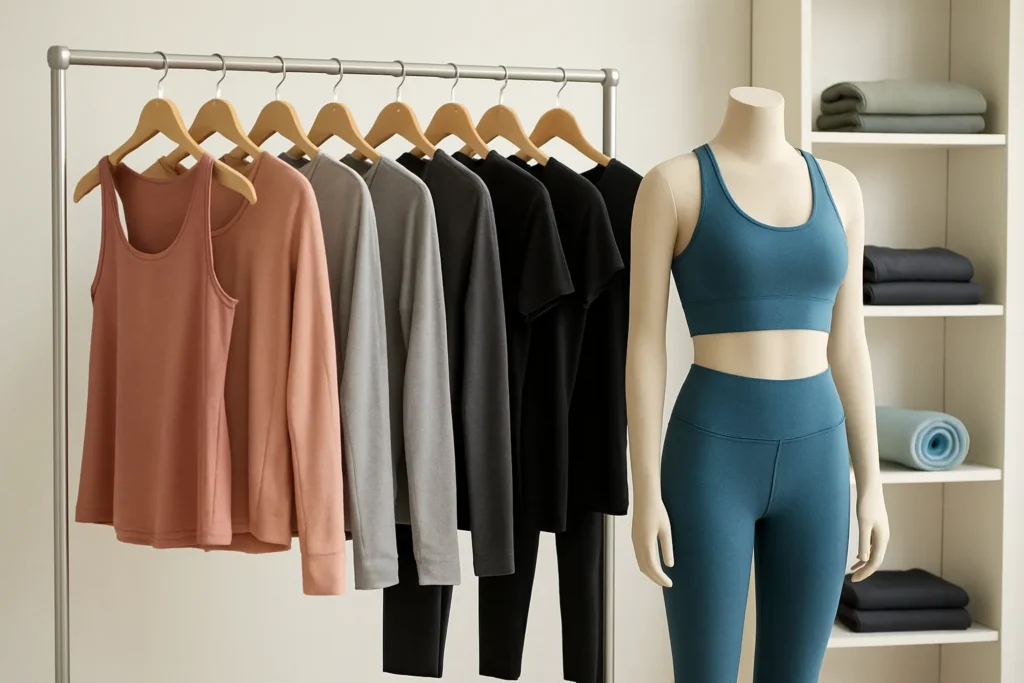
Yoga apparel comprises a range of clothing crafted for comfort, flexibility, and style during practice. Key categories include yoga pants, leggings, tops, sports bras, and outerwear. Each serves a unique purpose, from providing support to allowing freedom of movement.
Key Features to Consider
When choosing yoga apparel, it’s important to consider features such as breathability, moisture-wicking properties, stretchability, and durability. Apparel that combines these attributes will significantly enhance your customers’ practice experience. Additionally, offering styles that cater to various body types and preferences promotes inclusivity in your inventory.
Material and Fabric Options
Selecting the right materials is crucial in yoga apparel. Common fabrics include cotton, polyester, spandex, and nylon. Cotton is soft and breathable but may not wick moisture effectively. In contrast, synthetic blends usually provide superior moisture management and elasticity. Understanding the advantages of each fabric will enable you to curate a collection that meets the diverse needs of your clientele. For more detailed insights on various yoga apparel types, check out this industry reference.
2. Identifying Your Target Market
Demographics of Yoga Practitioners
Recognizing your customer base is essential. Yoga practitioners range widely, from young adults to seniors, with varying experience levels and preferences. By researching local demographics, you can tailor your inventory to meet their specific needs, whether they are beginners or seasoned yogis.
Trends in Yoga Apparel Preferences
Stay updated on current trends in yoga apparel. Many consumers now prefer sustainable and eco-friendly options, alongside stylish designs that transition seamlessly from the studio to streetwear. Keeping an eye on these trends will help you stock items that resonate with your target audience.
Seasonal Considerations
Yoga apparel trends can also vary seasonally. For example, lightweight fabrics are favored in warmer months, while thicker materials may be more popular in colder seasons. Anticipating these shifts allows you to manage your inventory effectively and meet customer expectations.
3. Sourcing Wholesale Activewear
Finding Reliable Suppliers
Sourcing quality wholesale activewear is vital for establishing a successful yoga apparel line. Begin by researching reputable suppliers who specialize in activewear. Trade shows, online marketplaces, and industry directories can serve as excellent resources for identifying potential partners. You can explore our product offerings for inspiration on what to stock.
Evaluating Supplier Quality
Once you’ve compiled a list of potential suppliers, assess their product quality. Request samples to evaluate fabric, stitching, and overall craftsmanship. High-quality products not only satisfy customers but also help reduce return rates, enhancing your store’s reputation.
Negotiating Wholesale Prices
Effective negotiation with suppliers can greatly influence your profit margins. Be ready to discuss pricing, minimum order quantities, and delivery terms. Cultivating a strong relationship with your suppliers can lead to better deals and exclusive offers in the future.
4. Comparing Different Brands
Brand Reputation and Customer Reviews
Brand reputation is pivotal in the retail landscape. Research various brands within the yoga apparel market, focusing on customer reviews and feedback. Brands known for their quality and exceptional customer service tend to attract more buyers.
Price vs. Quality Analysis
Assess the balance between price and quality. While it may be tempting to choose lower-priced options, sacrificing quality can lead to customer dissatisfaction. Strive to find brands that offer a good balance, ensuring your customers receive value for their money.
Unique Selling Propositions of Popular Brands
Identify what distinguishes popular brands in the yoga apparel market. Whether it’s innovative fabric technology, unique designs, or robust sustainability practices, understanding these unique selling propositions will help you position your offerings effectively.
5. Implementing Your Inventory Strategy
Stocking Essentials vs. Trendy Items
A successful inventory strategy requires a blend of essential items and trendy pieces. Essentials, such as basic leggings and tops, are staples every yoga practitioner needs, while trendy items can attract attention and drive sales. Achieving the right balance keeps your inventory fresh and appealing.
Inventory Management Techniques
Implementing efficient inventory management techniques is crucial to maintain stock levels and minimize costs. Consider using inventory management software to track sales patterns and optimize reordering processes.
Seasonal Promotions and Sales Strategies
Leverage seasonal promotions to boost sales during peak times. Offering discounts on specific items or creating bundles can encourage customers to purchase more. Aligning promotions with yoga-related events or holidays can also enhance visibility and drive traffic to your store.
6. Marketing Your Yoga Apparel
Effective Marketing Channels
To effectively market your yoga apparel, utilize multiple channels. Social media platforms, email marketing, and your retail website are essential for reaching your audience. Craft targeted campaigns that showcase your unique offerings and engage potential customers.
Collaborating with Influencers
Partnering with fitness influencers can significantly boost your brand visibility. Influencers can demonstrate your yoga apparel in action, providing authentic endorsements that resonate with their followers. Choose influencers whose values align with your brand for maximum impact.
Creating Engaging Content
Content marketing serves as a powerful tool for engaging your audience. Develop blog posts, videos, or tutorials that offer value while subtly promoting your yoga apparel. Engaging content can establish your brand as an authority in the yoga community.
7. Frequently Asked Questions
Common Concerns from Retailers
Retailers often express concerns regarding inventory turnover, customer preferences, and supplier reliability. Addressing these issues through thorough research and strategic planning can enhance your confidence in the yoga apparel market.
Tips for First-Time Buyers
For first-time buyers, starting small is crucial. Test various styles and brands to gauge customer preferences before committing to larger orders. This strategy minimizes risk and allows for adjustments based on sales data.
Understanding Return Policies
Lastly, comprehending and communicating return policies is vital for customer satisfaction. Ensure your policies are clear and fair, as this builds trust and encourages repeat business.
Conclusion
Choosing the right yoga apparel for your retail store involves a comprehensive understanding of the market, sourcing quality products, and implementing effective marketing strategies. By prioritizing customer needs and current trends, you can create a successful yoga apparel line that meets the demands of practitioners and enhances your retail success.