
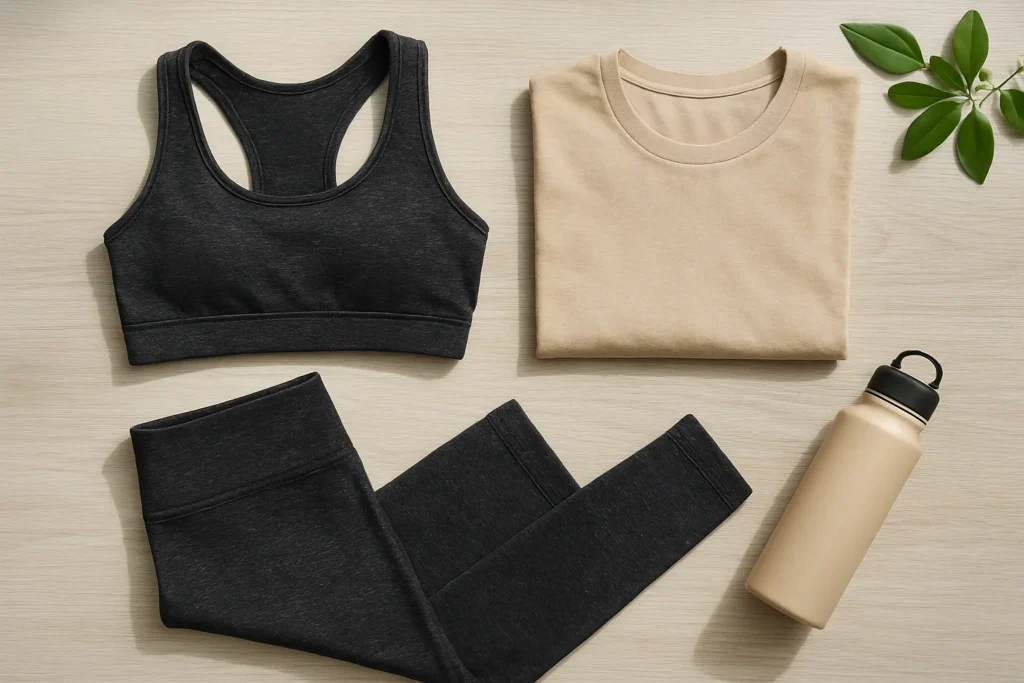
Maximizing Sales with Eco-Friendly Fitness Clothing: A Strategic Move
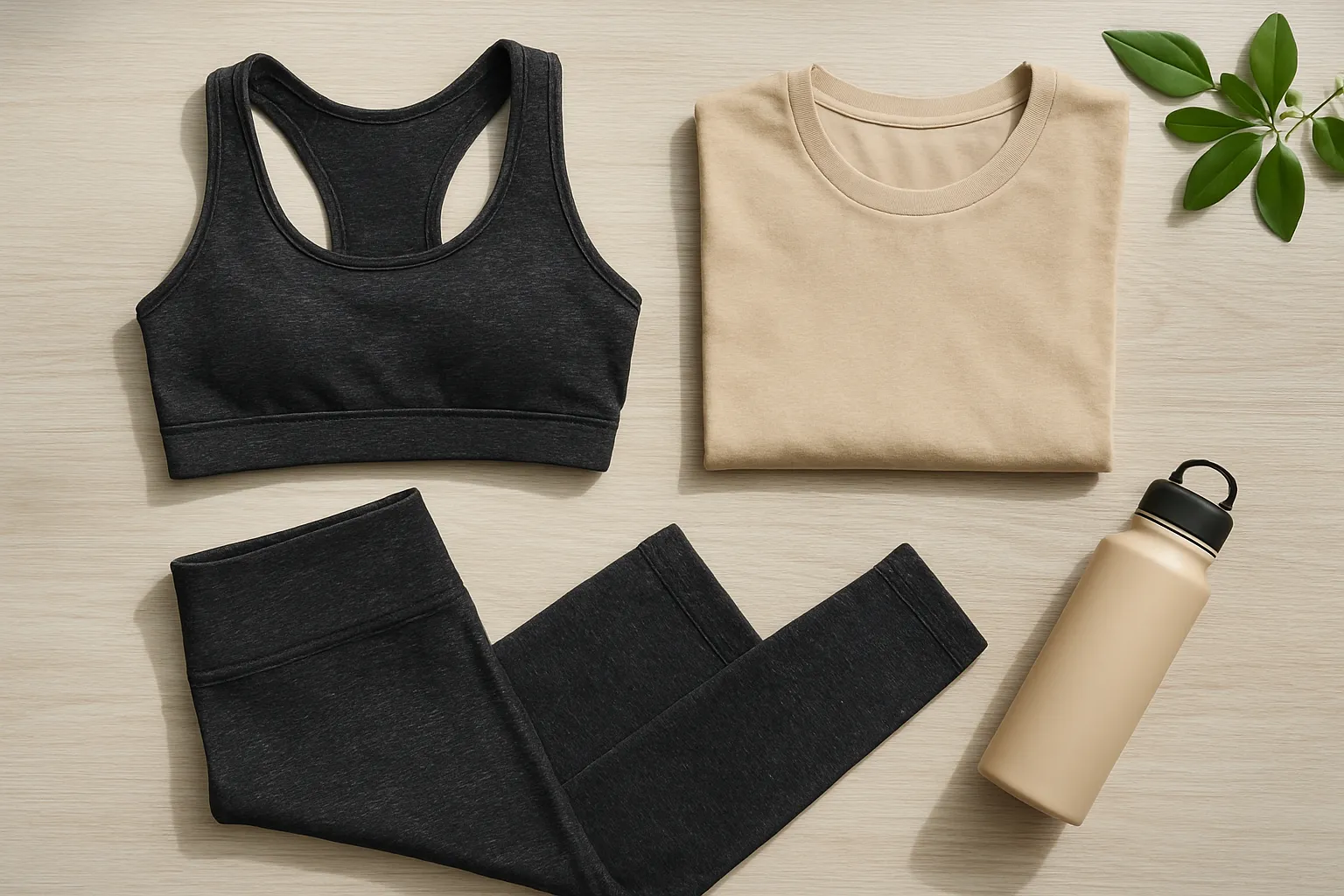
In recent years, eco-friendly fitness clothing has become a pivotal trend in the activewear industry. As consumers grow increasingly aware of environmental issues, the demand for sustainable athletic wear is on the rise. Brands that prioritize eco-friendly practices not only appeal to environmentally conscious customers but also position themselves for long-term success in a competitive market. In this article, I will explore the significance of sustainability in athletic wear and provide actionable insights on how businesses can maximize sales by incorporating eco-friendly fitness clothing into their product lines.
Market Potential
The market for eco-friendly activewear is experiencing remarkable growth. Recent studies indicate that the global sustainable activewear market is set to reach unprecedented heights, fueled by a rising consumer preference for products that resonate with their values. The athleisure trend has further accelerated this shift, as consumers seek versatile clothing that transitions seamlessly from workouts to daily activities. Consequently, businesses that offer sustainable options in their athletic wear lines can gain a competitive edge by tapping into this expanding market.
Consumer demand for sustainable options signifies a profound change in purchasing behavior. Today’s consumers are more informed and actively seek brands that demonstrate a commitment to sustainability. From my perspective, they are willing to invest in eco-friendly fitness clothing, recognizing the long-term benefits for both the planet and their health. This shift presents a unique opportunity for brands to differentiate themselves and build a loyal customer base.
Specifications of Eco-Friendly Fitness Clothing
When developing eco-friendly athletic wear, the choice of materials is paramount. Many brands are now opting for organic cotton, recycled polyester, Tencel, and other sustainable fabrics that minimize environmental impact. In my experience, these materials not only reduce waste but also provide superior comfort and performance. This appeals to modern consumers who value both functionality and sustainability.
Certifications and standards are crucial for ensuring the credibility of eco-friendly fitness clothing. It’s important to look for certifications such as the Global Organic Textile Standard (GOTS), OEKO-TEX, and Fair Trade, which verify that the materials and production processes meet rigorous environmental and social criteria. By adhering to these standards, brands can enhance their reputation and build trust with consumers.
Use Cases for Eco-Friendly Fitness Clothing
Identifying target demographics for sustainable activewear is vital for effective marketing. Eco-friendly fitness clothing appeals to a diverse range of consumers, including environmentally conscious millennials, fitness enthusiasts, and outdoor adventurers. By understanding the specific needs and preferences of these groups, brands can tailor their offerings and marketing strategies accordingly.
Successful case studies in the industry illustrate the potential for eco-friendly fitness clothing to resonate with consumers. Brands like Patagonia and Allbirds have successfully integrated sustainability into their core business models, resulting in increased brand loyalty and sales. By showcasing their commitment to eco-friendly practices, these companies have not only attracted a dedicated customer base but also set industry benchmarks for sustainability.
Comparisons with Traditional Athletic Wear
When comparing eco-friendly fitness clothing to traditional athletic wear, performance metrics often come into play. Eco-friendly materials can deliver comparable, if not superior, performance attributes such as moisture-wicking, breathability, and durability. This dispels the myth that sustainable options compromise on quality, making them an attractive choice for consumers who prioritize performance.
Cost analysis is another critical factor. While eco-friendly fitness clothing may incur a higher upfront cost, the long-term benefits frequently outweigh initial expenses. Sustainable materials tend to be more durable, resulting in a longer lifespan for the garments. Furthermore, as consumer demand for eco-friendly options continues to rise, brands investing in sustainability may experience increased sales and a loyal customer base.
Sourcing Eco-Friendly Materials
Identifying reliable suppliers is essential when sourcing eco-friendly materials for athletic wear. Brands should seek suppliers who prioritize sustainable practices and provide transparency regarding their sourcing methods. Establishing partnerships with trusted suppliers not only guarantees the quality of materials but also reinforces a brand’s commitment to sustainability.
Additionally, evaluating material sourcing practices is crucial. Brands should conduct thorough assessments of their suppliers’ environmental policies, labor practices, and overall sustainability efforts. This diligence ensures that the entire supply chain aligns with the brand’s sustainability goals, ultimately enhancing the credibility of the eco-friendly fitness clothing line.
Implementation Strategies
Integrating eco-friendly options into your product line requires a strategic approach. Businesses should begin by evaluating their existing offerings and identifying opportunities to incorporate sustainable materials and practices. This may involve redesigning existing products or developing new lines that prioritize sustainability.
Marketing strategies for eco-friendly athletic wear should emphasize storytelling and transparency. Brands can leverage social media, content marketing, and influencer partnerships to communicate their sustainability initiatives effectively. By sharing the journey of their eco-friendly fitness clothing, brands can engage consumers and foster a community centered around shared values.
FAQs
Common inquiries about eco-friendly fitness clothing often center around its performance and durability. Many consumers wonder if sustainable materials can compete with traditional fabrics in terms of comfort and longevity. Addressing these misconceptions through educational content can help alleviate concerns and encourage consumers to explore eco-friendly options.
Moreover, some may question the overall impact of eco-friendly practices on pricing. It’s essential to communicate the long-term benefits and value of investing in sustainable athletic wear, highlighting that these products not only benefit the environment but also provide superior quality and performance.
In conclusion, maximizing sales with eco-friendly fitness clothing in your activewear line is not merely a trend; it is a strategic move that aligns with evolving consumer preferences. By understanding market potential, sourcing sustainable materials, and implementing effective marketing strategies, brands can successfully tap into the growing demand for eco-friendly athletic wear. Embracing sustainability not only enhances brand reputation but also contributes to a healthier planet, making it a win-win for businesses and consumers alike.